Description
Femoquick Femoral Compression Device
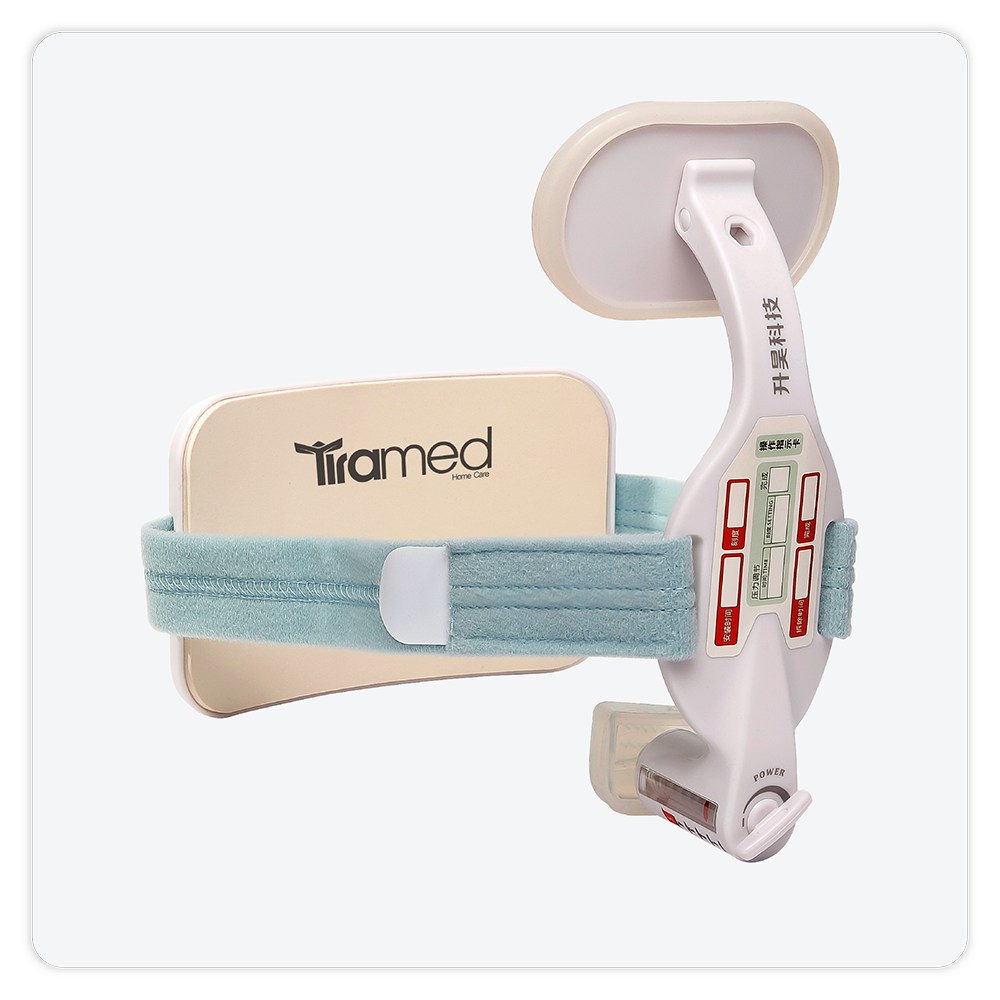
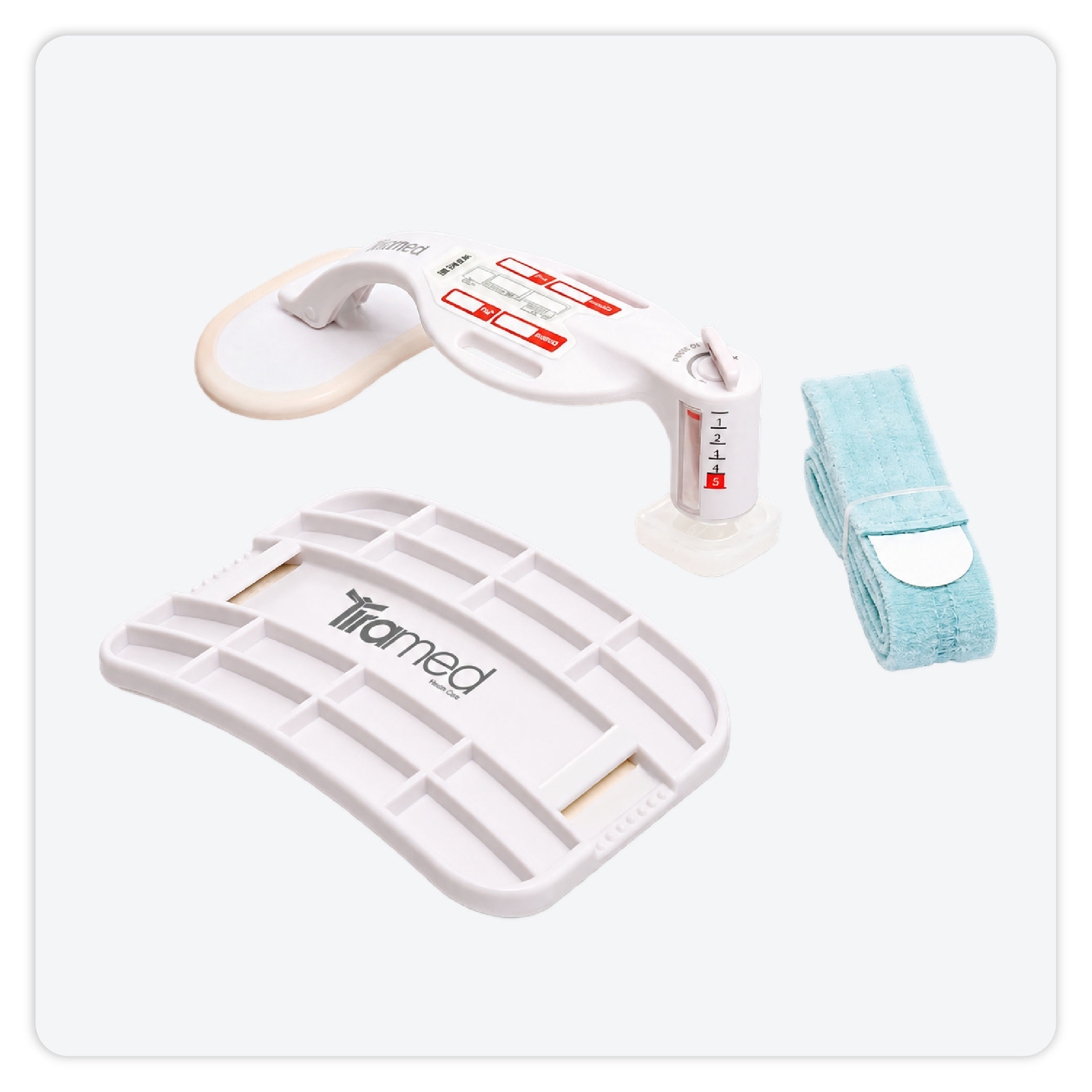
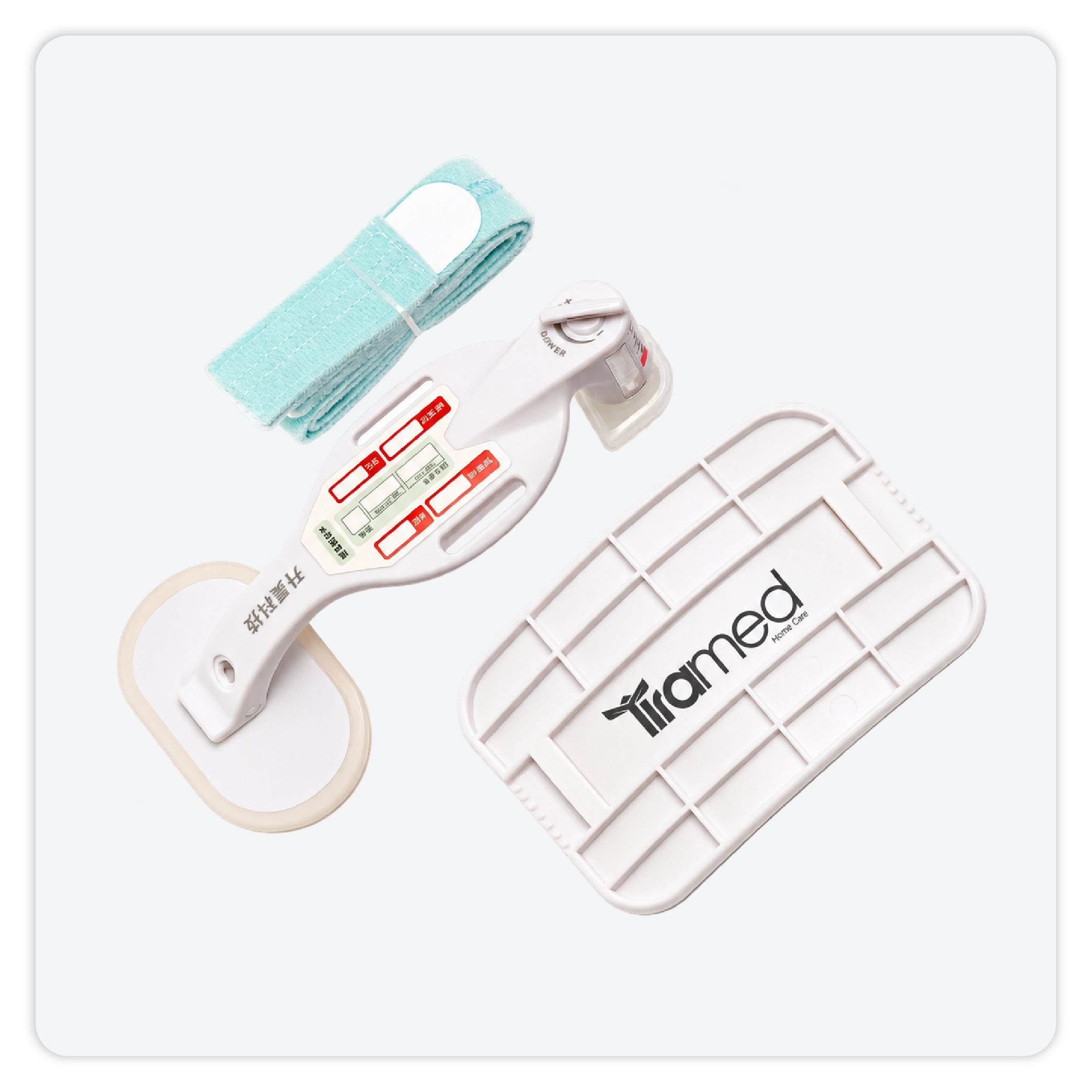
The Femoquick femoral compression device is a disposable medical device designed to help healthcare professionals control bleeding at femoral vascular access sites following catheter or sheath removal. Its adjustable compression mechanism supports the application of targeted pressure to the puncture site.
Key Features
- Sterile: Supplied sterile, with a stated residual ethylene oxide (EO) level below 10 micrograms.
- Single-use design: Intended for one procedure only.
- Practical construction: Features a soft silicone compression pad, adjustable straps, and a sturdy support base.
- Adjustable compression: Allows trained healthcare professionals to apply and adjust pressure at the access site.
Instructions for Use
Use must follow the manufacturer’s official instructions and the applicable clinical protocol.
Device Preparation
Remove the compression screw from its storage position at the bottom of the device and place it at the top of the compression rod.
Position the soft support pad beneath the patient’s upper thighs, close to the pelvis.
Device Placement
Partially withdraw the introducer sheath by approximately 3–5 cm.
Position the main body of the device so that the compression dome is directly over the vascular puncture site.
Identifying the Compression Site
Locate the femoral artery pulse on the skin. The supplied instructions describe this location as approximately 1 cm above the sheath’s skin entry site.
Securing the Straps
Fasten the hook-and-loop straps on both sides.
Choose the appropriate strap size—small, medium, or large—according to the patient’s weight and body size.
Checking Device Position
Ensure that the compression dome sits evenly over the bleeding site.
When viewed from above, the device body and straps should form a cross-shaped arrangement.
Sheath Removal
Using the left hand, press down on the front of the device to help control bleeding.
At the same time, carefully withdraw the sheath with the right hand.
Applying Compression
Turn the compression screw clockwise to apply pressure.
Once adequate compression has been established, release the manual pressure applied with the left hand.
Safety Checks
Check the patient’s foot and assess the dorsalis pedis pulse to monitor distal circulation.
Return the compression screw to its designated position as instructed by the manufacturer.
Documentation
Record the compression start time and the applied pressure or indicated setting, where applicable.
Intended Use
Control of bleeding at femoral vascular access sites following catheter or introducer sheath removal by trained healthcare professionals.
Important Precautions
- For single use only.
- The stated shelf life is two years from the sterilisation date; always check the expiry date on the packaging.
- For use only by appropriately trained healthcare professionals.
- Do not use if the packaging is damaged.
- Select the appropriate model and strap size according to the patient’s physical characteristics.
Storage Conditions
Store in a cool, dry environment, away from direct sunlight and corrosive gases. Relative humidity should be below 80%.
For more product information or enquiries about distribution and business cooperation, please contact Mahta Teb Sina through the “Contact Us” page.
Reviews
There are no reviews yet.