Description
What Is a Dental Turbine and How Does It Work?
A dental turbine is a rotary instrument used in dental practices and clinics. It connects to the dental unit’s handpiece tubing and converts compressed air into rotational motion. Airflow drives the rotor inside the handpiece head, transferring this movement to the attached dental bur.
The bur is the cutting instrument that comes into contact with the tooth or restorative material. The turbine holds and rotates it. Bur type, shape, and size, together with the dentist’s technique, therefore play an important role in the preparation process.
As the bur rotates, water is sprayed onto the working area. This helps manage the heat generated by contact between the bur and the tooth and flush away cutting debris. Coordinated bur rotation, water delivery, and adequate visibility contribute to effective handpiece operation.
Introducing the WJ-164 Dental Turbine
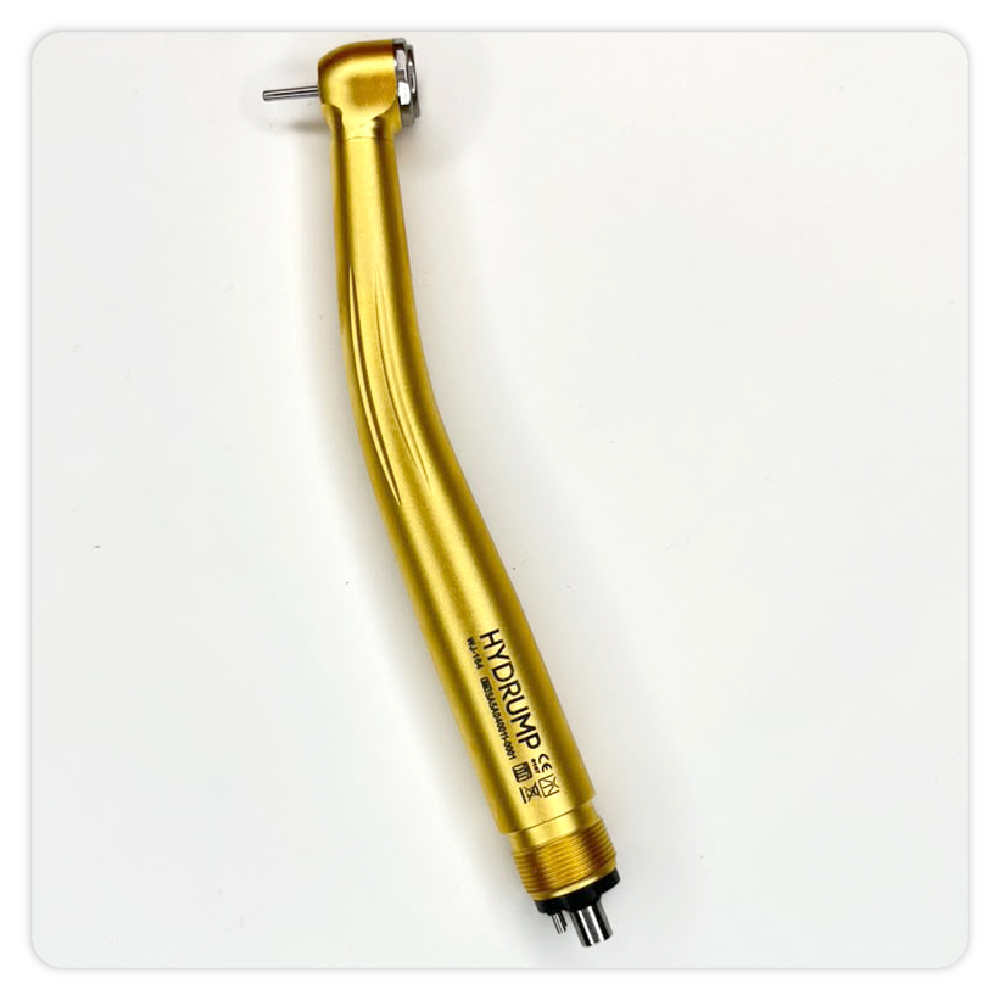
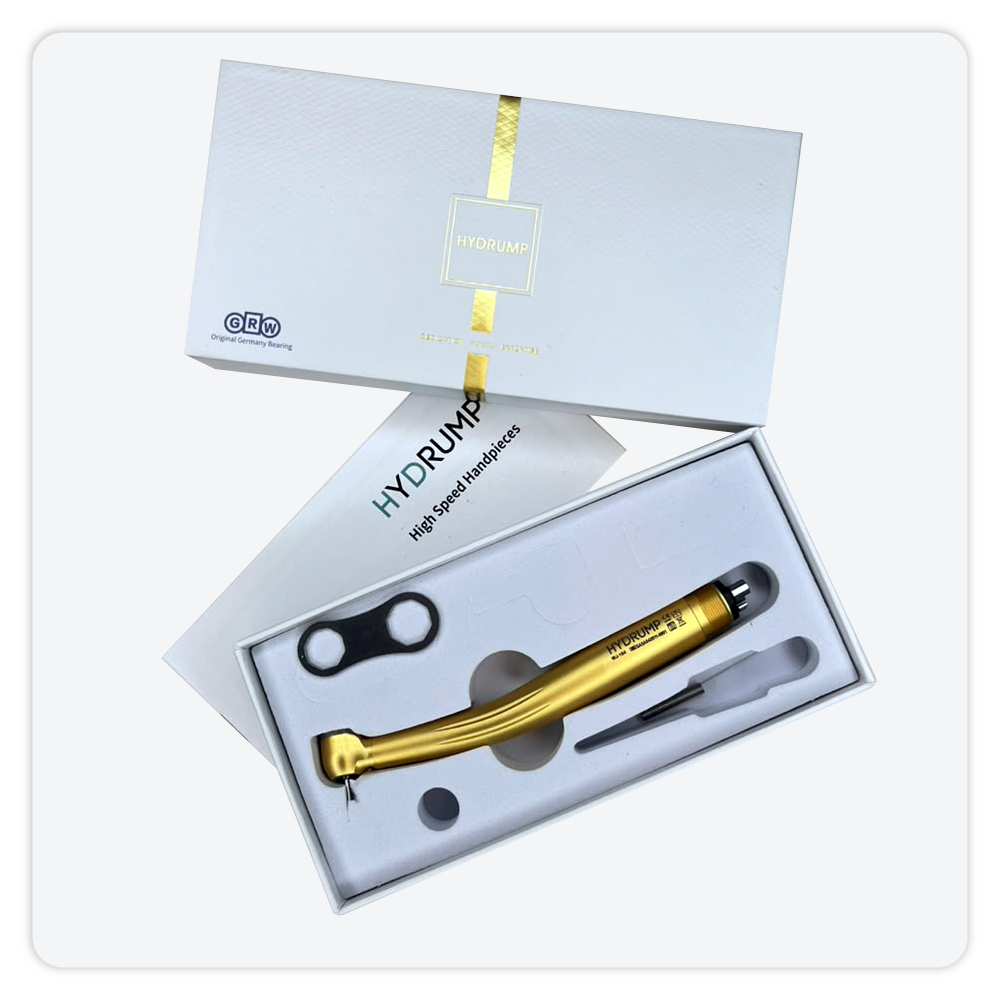
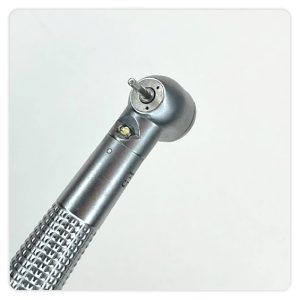
The WJ-164 belongs to the category of high-speed air-driven dental handpieces and is manufactured in China by Foshan Wenjian Medical Instrument Co., Ltd. It is intended for professional dental use and is identified in the manufacturer’s technical documentation.
Understanding this model involves more than considering rotational speed alone. Illumination of the working area, water distribution around the bur, and the bur retention mechanism are also relevant. Together, these features shape how the handpiece functions in everyday clinical use.
Applications of the WJ-164 in Dentistry
The documented applications of this model include removing carious tissue and excess filling material, preparing cavities and teeth for crowns, and finishing tooth preparations and restorations. Bur selection and operating technique should be appropriate to the procedure.
Caries Removal and Cavity Preparation
During restorative treatment, the dentist removes affected tissue and prepares the space required for the restorative material. By driving an appropriate dental bur, the turbine serves as one of the instruments used in this process. The amount of tissue removed and the final cavity shape depend on the condition of the tooth and the treatment plan.
Tooth Preparation for Crowns
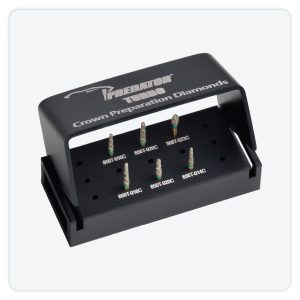
In prosthetic dentistry, creating sufficient space and an appropriate tooth shape is important for crown placement. A high-speed handpiece enables the dentist to carry out stages of tooth reduction. Instrument control, bur selection, and adequate cooling are important aspects of this procedure.
Refining and Finishing Restorations
With a suitable rotary instrument, the turbine can be used to remove excess restorative material and refine its contours. The required speed and instrument vary according to the restorative material and should follow the relevant instructions for use.
WJ-164 Features and Their Role During Treatment
LED Illumination for Visibility of the Preparation Area
Illumination close to the working area can help the dentist see the tooth surface and bur position. The manufacturer lists LED illumination as a feature of the WJ-164. Alongside the dental operating light, it helps illuminate the treatment area.
Triple Water Spray for Cooling Around the Bur
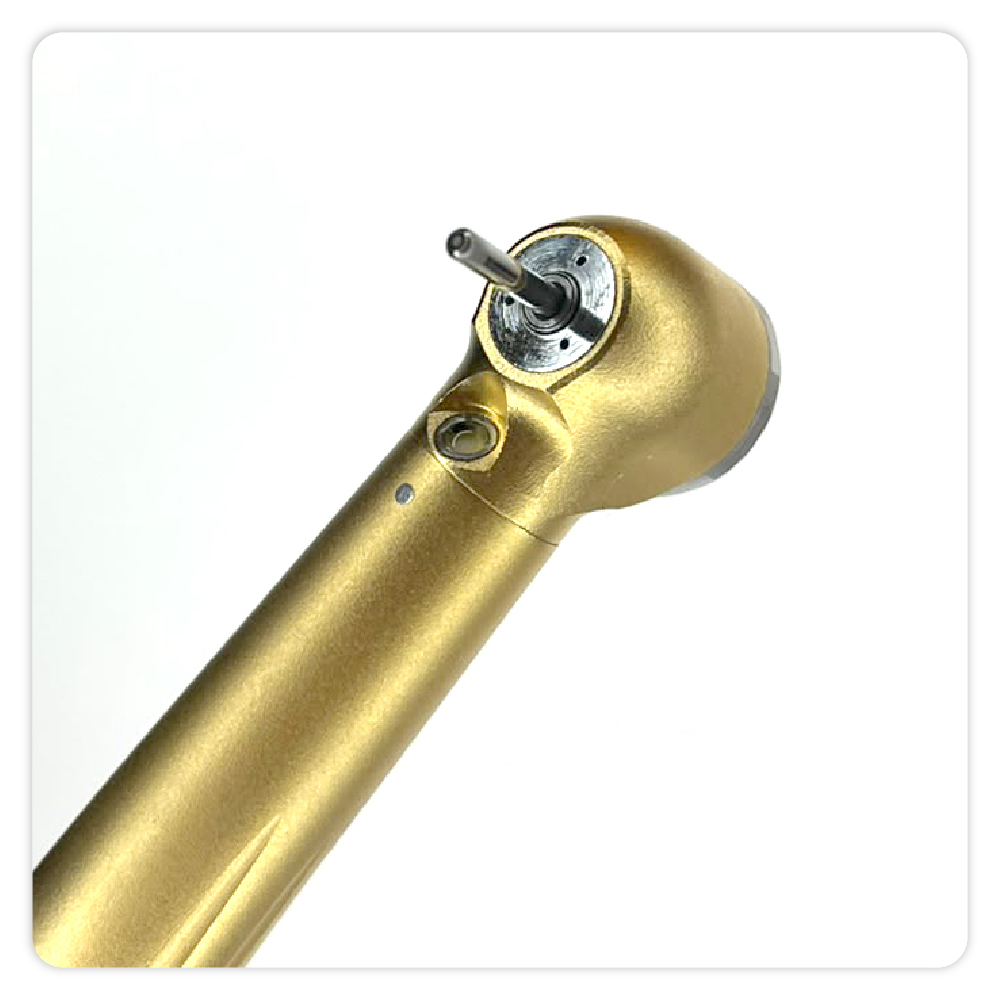
This model features three water spray outlets designed to deliver water to the area where the bur contacts the tooth. Effective cooling depends on unobstructed water channels, correct dental unit settings, and appropriate handpiece maintenance.
Push-Button Chuck for Bur Changes Without a Wrench
The push-button mechanism allows the bur to be released and inserted using the button on the back of the handpiece head. This is useful when different bur shapes or types are required during treatment. After insertion, the bur must be checked to ensure it is securely retained.
Head Design Intended to Reduce Foreign Matter Ingress
The manufacturer describes a head design intended to reduce the entry of foreign matter into the internal rotating assembly. This feature does not replace cleaning, lubrication, or sterilization.
The Importance of Dental Turbine Maintenance
A dental turbine contains precision components that operate at high speeds. Supply air quality, bur condition, clear spray channels, and adherence to the maintenance schedule all influence its operation.
Cleaning and lubrication should follow the instructions supplied with the device. Autoclave compatibility alone is insufficient to determine the correct sterilization cycle; temperature, duration, and preparation steps must comply with the instructions for the specific product. The WJ-164 technical documentation also emphasizes routine maintenance and lubrication before sterilization.
For more information about the WJ-164 dental turbine and current pricing, please contact Mahta Teb Sina.


Reviews
There are no reviews yet.